

Kyiv is a city that has learned to measure time differently.
Not by calendars or seasons, but by electricity schedules. By air raid alerts. By the quiet calculation of when water will run, when heating will come on, and when it will all disappear again.
For Pastor Viktor and his family, daily life now looks much like it does for thousands of families across the capital—a constant adapting, adjusting, and re-planning. “We even joke among the pastors,” Viktor says, “that nothing teaches you time management like the city’s electricity charts.” Ministry meetings, family meals, sermon preparation, laundry, showers—everything is arranged around short windows of power. Some days, electricity is gone for most of the day. When it is gone, so is heating, water, and often mobile connection. Viktor records messages and prepares ministry materials whenever the opportunity comes—sometimes without power at all.
At church, a generator helps, but it does not restore normalcy. It only allows ministry to continue, imperfectly, faithfully.
At home, those few hours with electricity become precious. Heating (in cold weather) is turned on at maximum. Water is used quickly and wisely. Meals are prepared. Internet tasks are rushed through. “It disciplines us,” Viktor reflects, “to cherish the times when we do have it.”
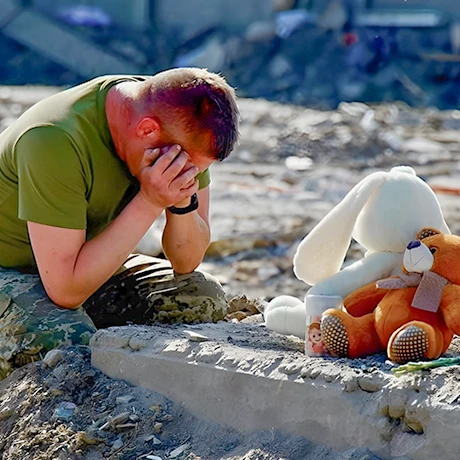
But the heaviest burden does not fall on schedules or logistics—it falls on hearts, especially the hearts of children.
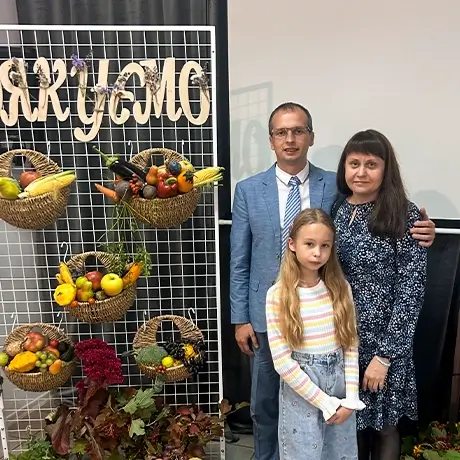
Viktor and his wife are raising their 12-year-old daughter in a world no child should have to understand so early. Night attacks often mean sleeping in the corridor, farther from windows, farther from glass. Recently, their daughter voiced what many Ukrainian children carry quietly inside. “Dad,” she said, “how long do I have to bear this? I don’t want to sleep in the corridor. I want to sleep in my own bed.”
For a parent, there are few harder moments.
“Our children are the most precious thing we have,” Viktor says. He tries to comfort her with honesty, not false promises—reminding her that God has appointed their family to live in this time, in this place, to serve others in Ukraine. He also points her forward, gently, to the unshakable hope of Christ: that there will be a day when Jesus comes for His church, and everything will be made right.
At the same time, Viktor and his wife fight to protect their daughter’s childhood. They pray for quiet days. For moments of normalcy. For birthdays without sirens. Recently, they prayed specifically that there would be no air raid alerts so they could take her to a theme park—a gift that mattered deeply. “It is very important for us to be near our children,” Viktor explains, “and to make sure ministry does not rob our family of time together.”
That balance—between shepherding a church and shepherding a family—has never been more delicate.
A “normal” ministry week no longer exists. Instead, there are constant face-to-face meetings, counseling sessions, prayers whispered in hallways and kitchens. The weight of war has pushed many to the edge emotionally and spiritually. “Right now, people need someone to be near them,” Viktor says. “They need support, prayer, wisdom from God’s Word, and sometimes just mercy.”
In the midst of exhaustion and fear, Viktor’s strength comes from very simple, very ancient practices: prayer throughout the day, time in Scripture, and the reminder that God’s people have endured similar trials before. Reading through Ezekiel, Viktor sees familiar themes—displacement, loss, uncertainty—and is reminded that God has never abandoned His people in the darkest chapters of history.
Strength also comes from family, from conversations with his wife, and from fellowship with trusted friends.
One prayer recently stood out to him. While driving his wife to work, Viktor prayed, “Lord, help us see joy in the small things.” Then, almost instinctively, he added, “And help us be a blessing to others today.” It was the first time he remembers praying that second prayer—not because life was easy, but because hardship had clarified what truly matters.
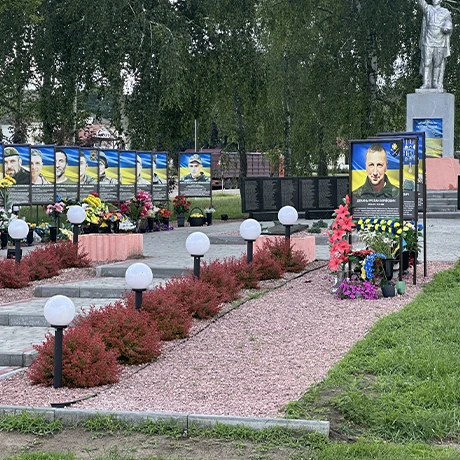
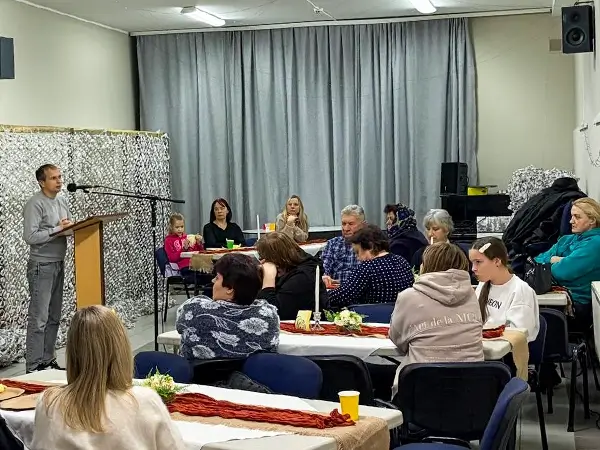
Their church has embraced this same outward focus. They support military families in practical ways. They hold regular gatherings for families of fallen soldiers—spaces of grief, remembrance, and gentle Gospel hope. “It is a huge blessing for us,” Viktor says, “to be providers of God’s love to them.”
When asked how believers outside of Ukraine can pray, Viktor answers with gratitude and clarity. He believes those prayers are sustaining pastors and protecting families. He asks for prayer for wisdom—wisdom in time management, wisdom in balancing family and ministry, wisdom in knowing where to focus amid overwhelming needs. He also asks for prayer for financial provision, as many full-time pastors struggle under rising costs while trying to remain fully present for their congregations.
“May God,” Viktor says, “guide every pastor and every church in what they are called to focus on.”
In Kyiv, life continues—not because circumstances are easy, but because Christ remains faithful. And in homes lit by candles and churches powered by generators, the Gospel is still shared, still lived, still offered freely to a weary nation learning to live by the light it has been given.
Related Stories